What Current Research Suggests
Understanding safety is an essential part of evaluating any investigational medication.

Retatrutide is currently being studied for its potential effects on weight management and metabolic health, but it remains under clinical investigation and is not yet approved for general use.
This page serves as a central safety resource, bringing together what is currently known from research studies. It also helps you navigate related topics, including its investigational status, side effects, tolerability, and when to call a doctor—all of which provide deeper context.
Because research is ongoing, safety information may evolve over time. This guide reflects current evidence while highlighting important limitations and areas where more data is needed.



A medication’s safety profile refers to the range of known effects it may have on the body, including:
For investigational medications like retatrutide, the safety profile is still being defined through clinical trials.
Retatrutide is being studied in controlled clinical trials involving carefully selected participants. These studies are designed to:
Participants in these trials are typically monitored closely, which may not fully reflect real-world use if the medication becomes available in the future.
Current research suggests that the most commonly reported side effects are gastrointestinal in nature. These may include:
These effects are consistent with other medications in similar investigational classes and are often dose-dependent.
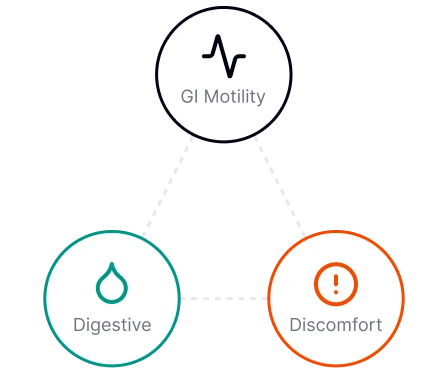
Because retatrutide is being studied for its impact on metabolic pathways, some participants report:
While these effects may be part of the intended mechanism being studied, they can also influence nutritional intake and should be monitored carefully.

Tolerability refers to how manageable a medication’s side effects are for individuals. Even if side effects occur, a treatment may still be considered tolerable if those effects are mild or temporary.
Early clinical data suggests that:
However, not all individuals respond the same way. Some participants discontinue use due to discomfort or adverse effects.
As the body adjusts to treatment
May improve overall tolerability
Some may discontinue due to discomfort
Start



Research indicates that higher doses may be associated with:
This is why clinical trials often use gradual dose escalation to assess safety at different levels.
One of the most important limitations is the lack of long-term safety data. Because retatrutide is still under investigation:
More research is needed to determine how the medication behaves over extended periods.
Safety is not uniform across all individuals. Factors that may influence risk include:
This variability highlights the importance of individualized medical evaluation.
While definitive guidelines are not yet established, research contexts suggest that certain groups may require additional caution:
Individuals with the following may need careful monitoring:
Gastrointestinal disorders
Pancreatic conditions
Metabolic or endocrine disorders
Potential interactions are still being studied. Combining investigational medications with other treatments may:
Alter effectiveness
Increase the risk of side effects
There is currently limited or no data on safety in these populations. As a result:
Use in these groups is typically avoided in clinical trials
More research is needed before any conclusions can be drawn
In clinical trials, participants are monitored regularly to track:
This level of oversight helps researchers identify safety signals early.
If retatrutide were to be used in broader settings in the future, similar monitoring may be recommended, especially during early stages of use.
Four key reasons driving the comparison
Still under clinical study. Not approved for general use.
Nausea, vomiting, and diarrhea are frequently reported.
Higher doses may increase side effect likelihood..
Extended safety profile still being established.

Studies involve carefully selected participants in controlled environments with standardized protocols and monitoring.
Participants are tracked closely over time to identify side effects, adverse reactions, and safety signals.
Different dosage levels are evaluated to assess dose-related responses and identify optimal safety profiles.
Findings may not fully translate to broader populations outside research settings
New side effects may be identified and risk assessments may change over time
Retatrutide is not currently approved for general use. Its safety profile is based on:
This means findings may not fully translate to broader populations.
As more studies are completed:
Staying informed with current research is important.
Responses to investigational treatments vary widely. Current research suggests trends, but:
Retatrutide is being studied alongside other therapies targeting metabolic pathways. While comparisons are ongoing, early observations suggest:
However, direct comparisons remain limited, and more research is needed before drawing firm conclusions.
Common questions about retatrutide, answered objectively
Current research suggests that retatrutide has a safety profile consistent with other investigational therapies in its class, particularly involving gastrointestinal side effects. However, it is still being studied, and more research is needed to fully understand its safety.
The most commonly reported side effects in studies include nausea, vomiting, diarrhea, constipation, and reduced appetite. These are discussed in more detail on the side effects page.
Serious risks are still being evaluated. While most reported side effects have been mild to moderate in studies, long-term and rare risks are not yet fully known.
Some research suggests that side effects may lessen over time as the body adjusts, particularly with gradual dose increases. However, this varies from person to person.
Because it is still investigational, there are no finalized usage guidelines. However, individuals with certain medical conditions, those taking other medications, or those who are pregnant or breastfeeding may require extra caution.
Any severe or persistent symptoms—such as ongoing vomiting, dehydration, or unusual pain—should be evaluated by a healthcare professional. More details are available on the when to call a doctor page.
Safety is a critical and evolving aspect of retatrutide research. While current studies provide valuable insights into side effects, tolerability, and potential risks, the full safety profile is still being established.
If you’re exploring this topic further, consider reviewing related pages on:
These resources provide a more complete picture of what is currently known—and what remains uncertain.
As always, decisions about investigational treatments should be made in consultation with qualified healthcare professionals, using the most up-to-date research available.